

The Fifth Wall Guide to Decorating Your Ceiling with Wallpaper
When planning a room, it is easy to focus on the walls, furniture, and flooring while leaving the ceiling untouched. But that space above you offers another opportunity to bring your design together. Often called the fifth wall, the ceiling can become a beautiful feature with the addition of wallpaper.
A leafy print can turn a bedroom into a garden-inspired retreat. A geometric pattern can give a dining room a crisp, tailored finish. A subtle linen-look design can add softness above a living area without introducing a strong motif. The key is choosing a wallpaper that works with the room and confirming that the specific product is suitable for overhead installation.
If you are considering ceiling wallpaper, here is how to approach the look with confidence.
Why Wallpaper the Ceiling
Wallpaper overhead creates a focal point in a place people do not always expect. It gives a room personality while leaving the walls available for artwork, shelving, windows, and other features.
It can also help connect the furnishings below. A print that repeats the green in your curtains or the warm tones in your rug makes the ceiling feel like part of the design. In a room with simple walls, that extra layer of pattern can be especially effective.
You do not have to cover every ceiling in your home. A single dining room, bedroom, or entryway is enough to explore the idea. For a more contained treatment, consider wallpaper inside a tray ceiling or within a section framed by molding.
Choose the Atmosphere Before the Pattern
Start by deciding how you want the room to feel.
For a light, relaxed space, consider pale colors, gentle contrast, and softly drawn patterns. An airy botanical or a quiet texture effect can introduce interest without demanding constant attention.
For a cozy, intimate room, explore deeper colors or a more enveloping print. A dark floral ceiling paired with warm lighting and coordinated walls can create a rich setting for evening meals or a comfortable reading space.
For a playful room, try stars, clouds, scattered shapes, or whimsical illustrations. These can be particularly charming in a nursery, playroom, or bedroom where looking up becomes part of the experience.
Ceiling height alone does not determine which wallpaper will work. Pattern contrast, daylight, wall color, and furniture all influence the effect. Instead of assuming a bold print is only for a tall room, test how it feels in your actual space.
Wallpaper Styles to Consider for the Fifth Wall
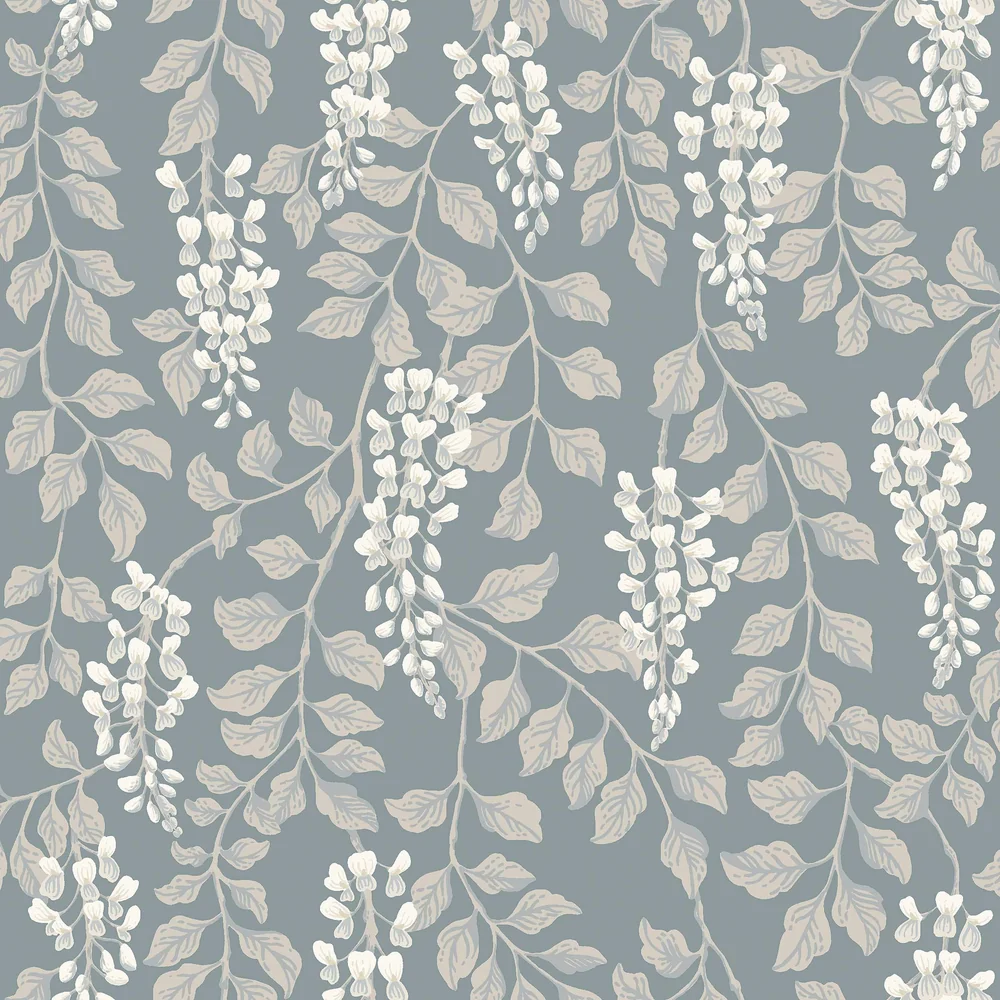
Florals and Botanicals
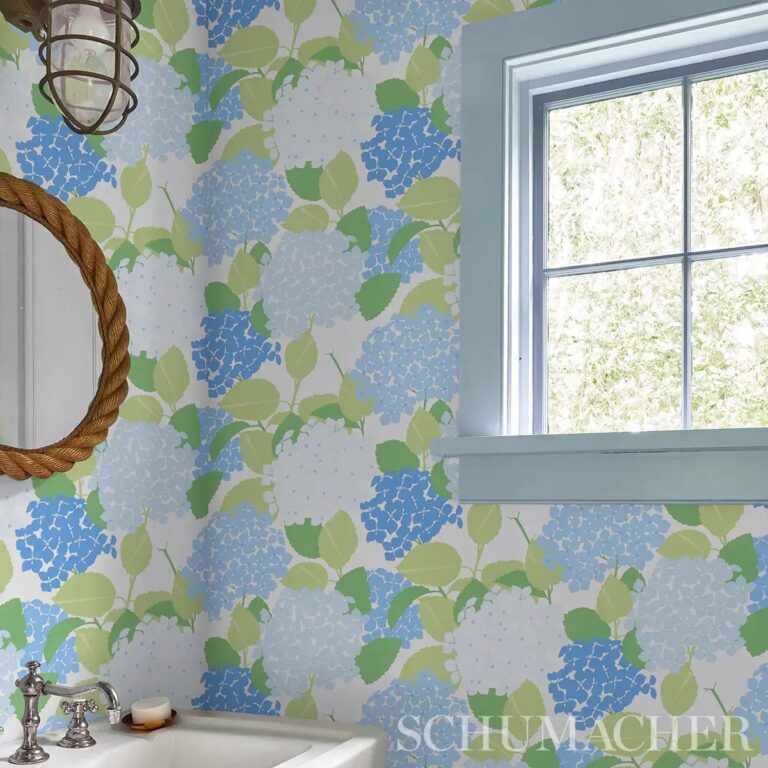
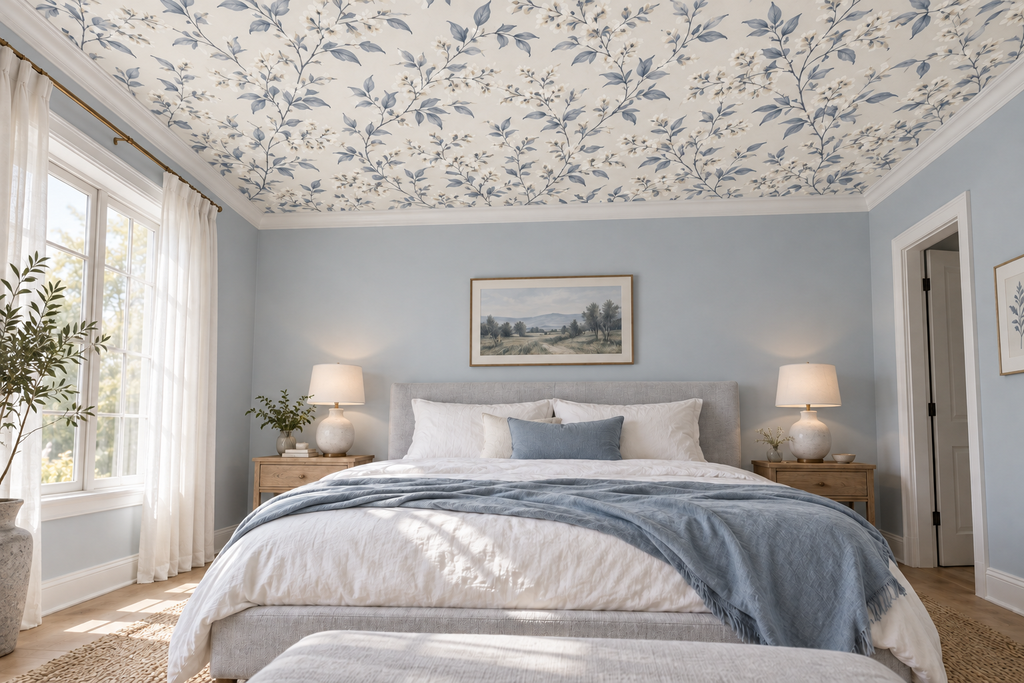
Trailing vines, leafy branches, and expressive florals can create the impression of a canopy overhead. Pair a botanical ceiling with painted walls that draw from one of the print’s quieter colors. Natural wood, woven accents, and simple upholstery can help carry the garden-inspired mood through the room.
Check whether the design has an obvious top and bottom. A pattern that looks balanced on a vertical wall may read differently when viewed from several directions below.
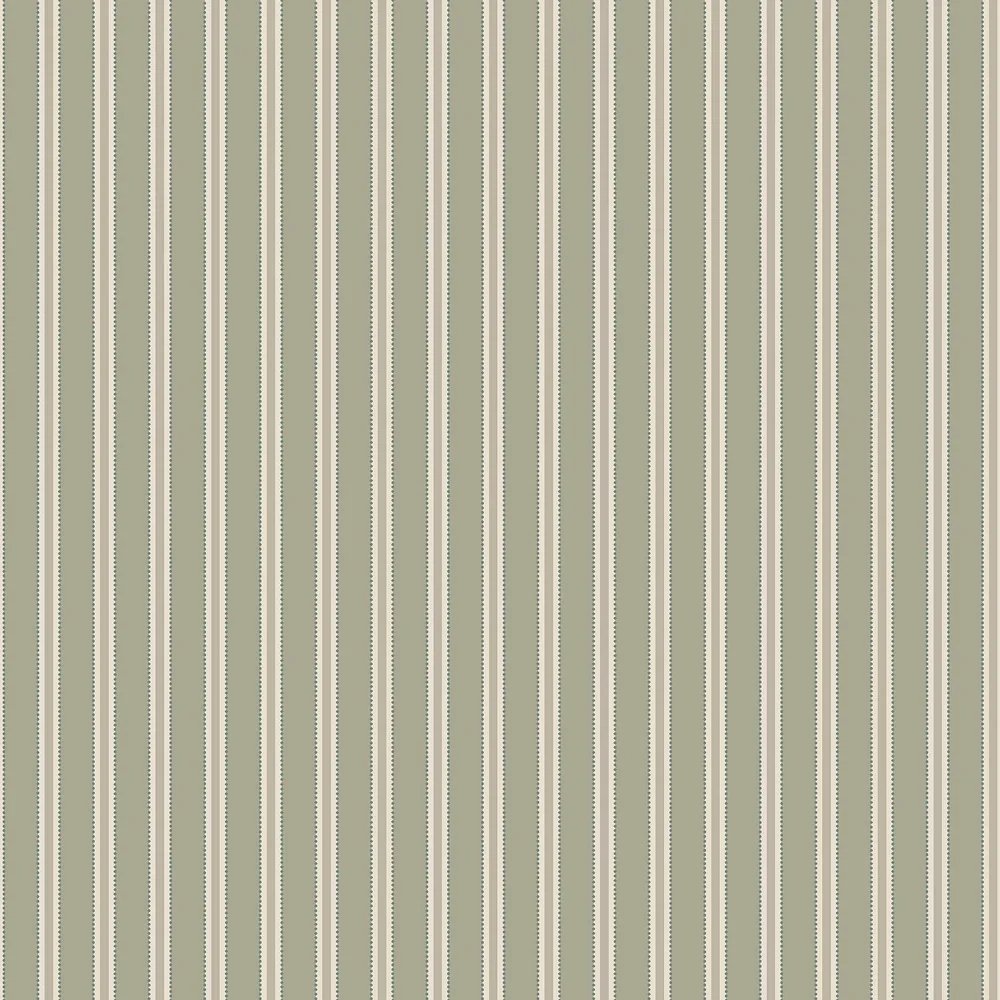
Geometrics and Stripes
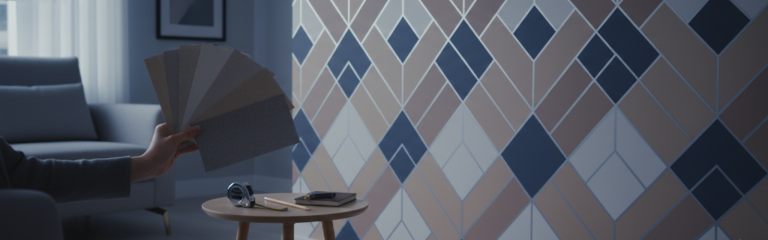
Geometric wallpaper can bring structure to a room with straightforward furnishings. Stripes offer another way to introduce rhythm, but their direction needs careful planning. Picture how they will look from the doorway and from the room’s main seating area before deciding how the strips should run.
Regular patterns can also make an uneven ceiling edge more noticeable. Your installer can help plan the layout around the room’s proportions and any irregularities.
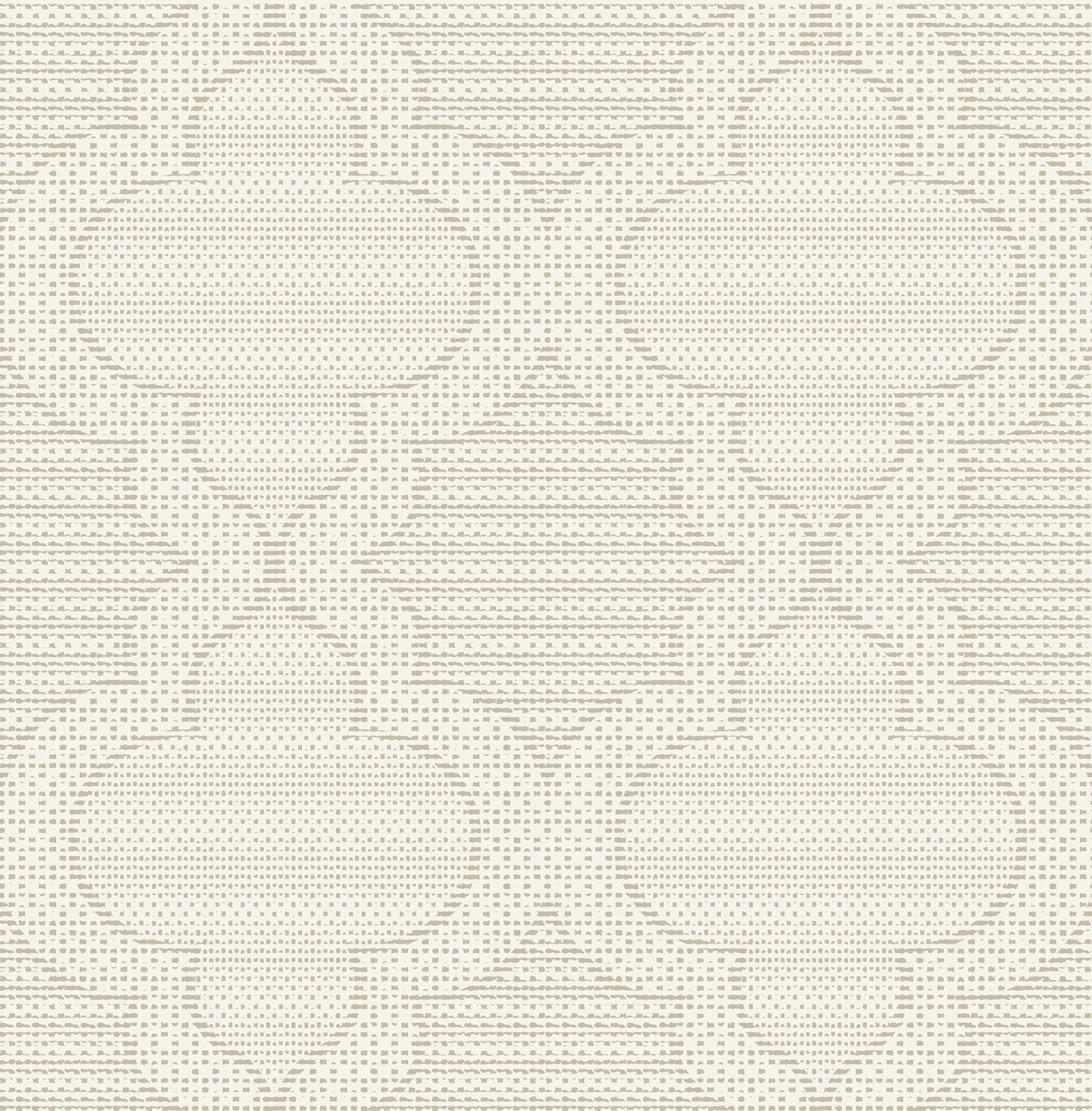
Texture Effects
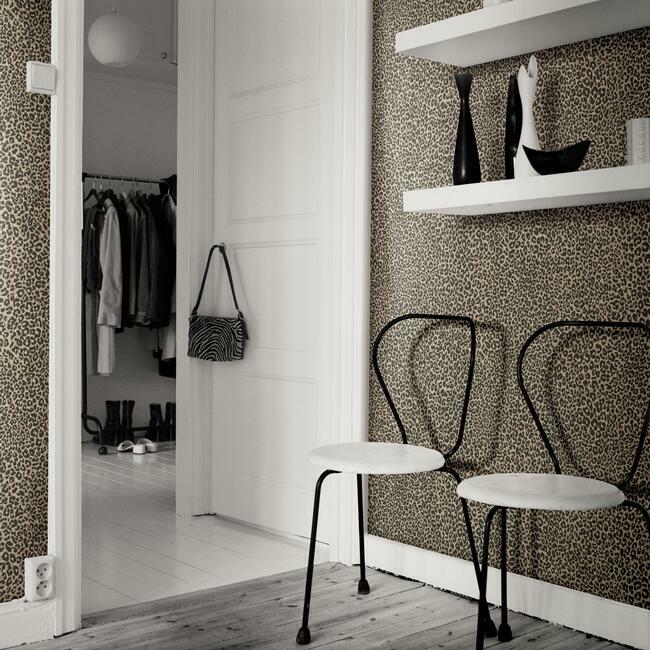
A linen-look, woven-look, or softly mottled wallpaper can suit a room where you want a quieter ceiling treatment. These designs add visual depth without a prominent floral or geometric motif.
Printed texture effects and natural materials are different products. If you are considering grasscloth or another specialty wallcovering, discuss its weight, handling requirements, expected seam visibility, and ceiling suitability with the manufacturer and installer before ordering.
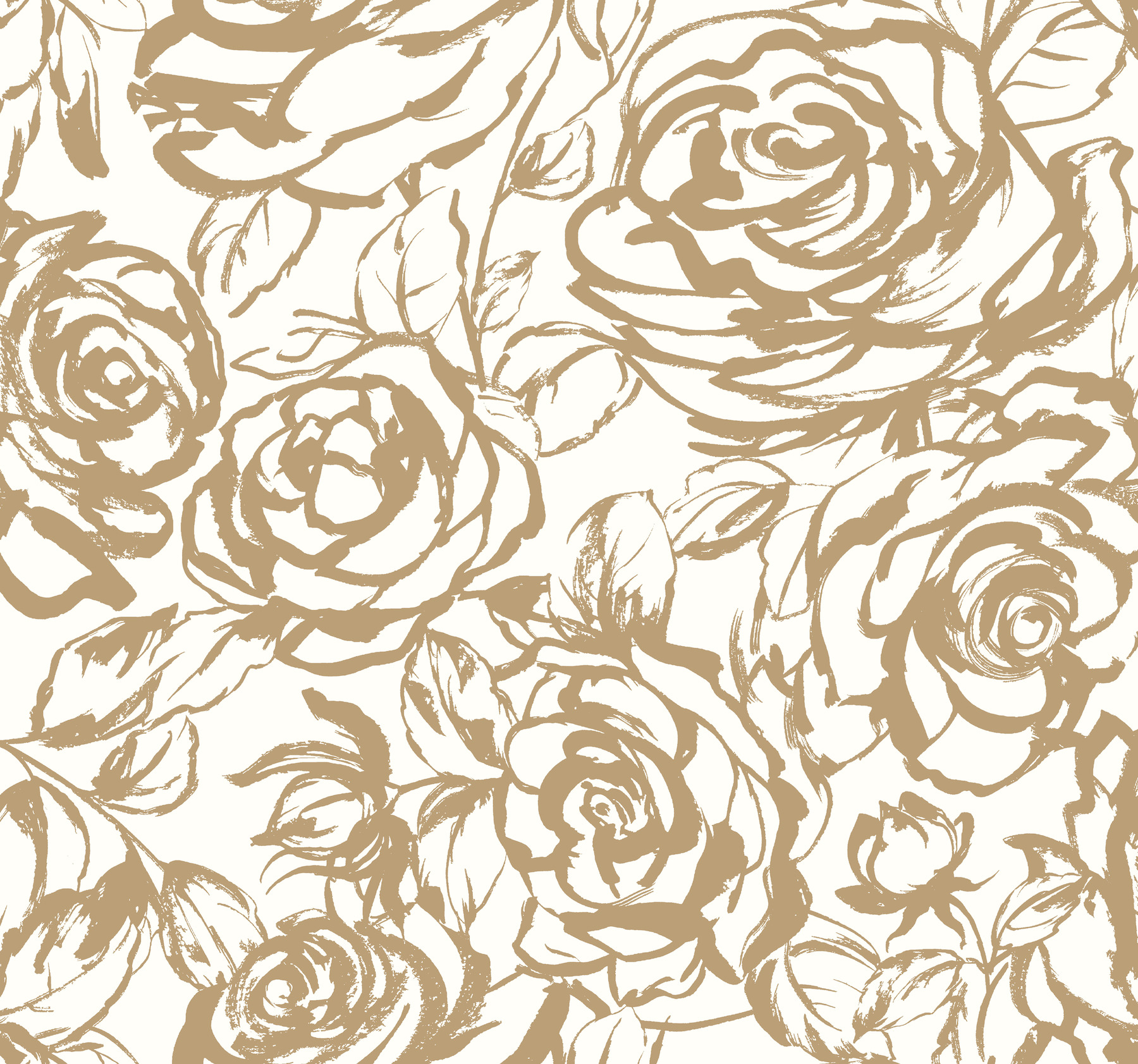
Metallic Accents
A print with metallic details can catch the light beautifully above a dining table or sitting area. View a sample in daylight and under the lighting you use in the evening, since reflective finishes can change noticeably as the light shifts.
Ceiling Wallpaper Ideas for Different Rooms
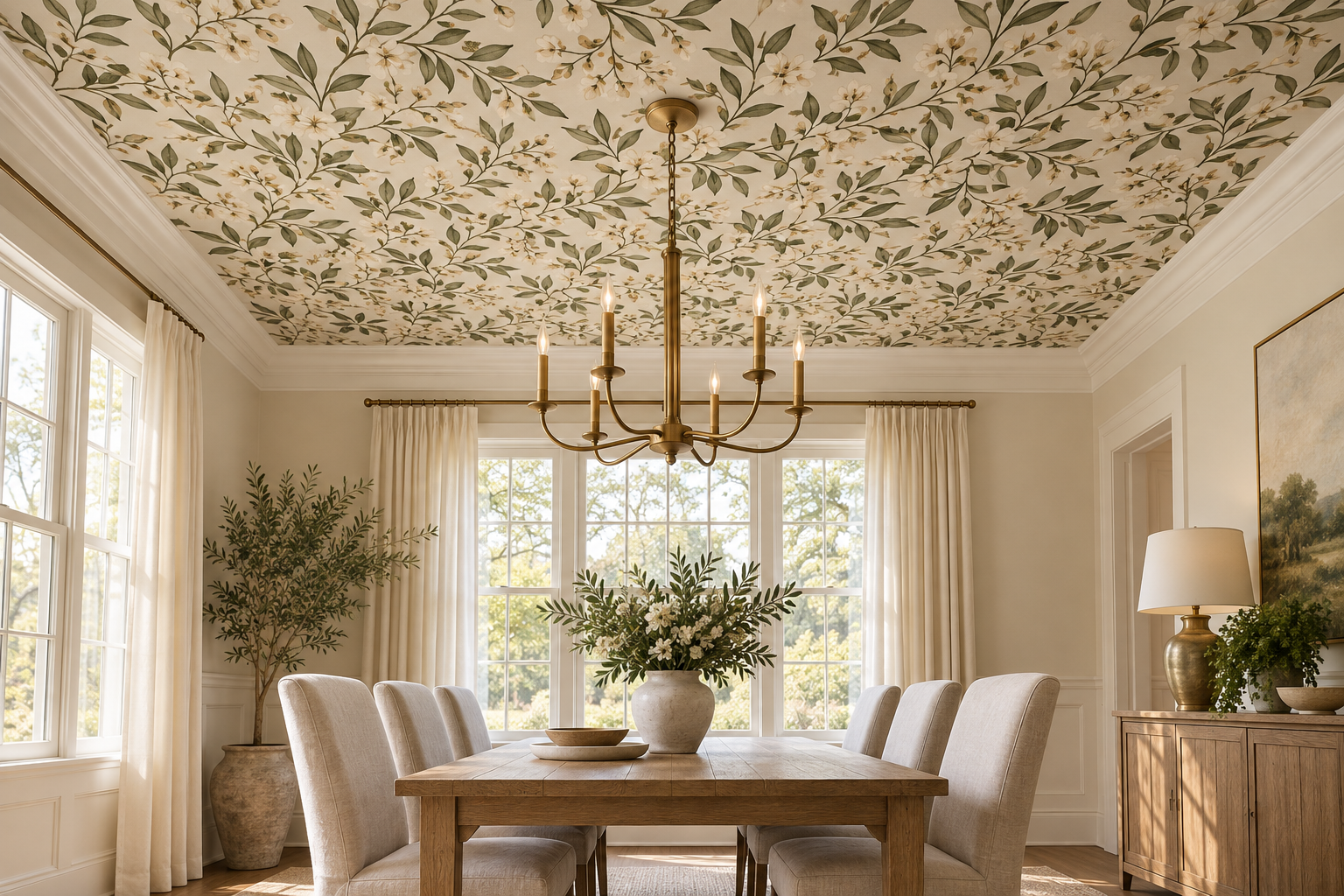
Dining rooms: Use the ceiling to frame the dining area. A floral, damask, or geometric print can complement a chandelier and make the room feel thoughtfully finished. Keep the fixture’s shape in mind when choosing the size and placement of the motif.
Bedrooms: Choose a pattern you enjoy looking at while resting. Soft botanicals, subtle textures, or scattered stars can work well with simple bedding and coordinated wall colors.
Living rooms: Let the ceiling pick up a color from a rug, curtains, or accent chair. If the room already has several strong patterns, a quieter ceiling print can help the design feel cohesive.
Entryways: A wallpapered ceiling can introduce personality as soon as someone steps inside. Coordinate it with the rooms visible from the entry so the transition feels natural.
Powder rooms: A small powder room offers a contained place to try a bolder look. For bathrooms with showers or persistent humidity, confirm the product’s suitability for the conditions and overhead use before proceeding.
Coordinate the Walls and Trim
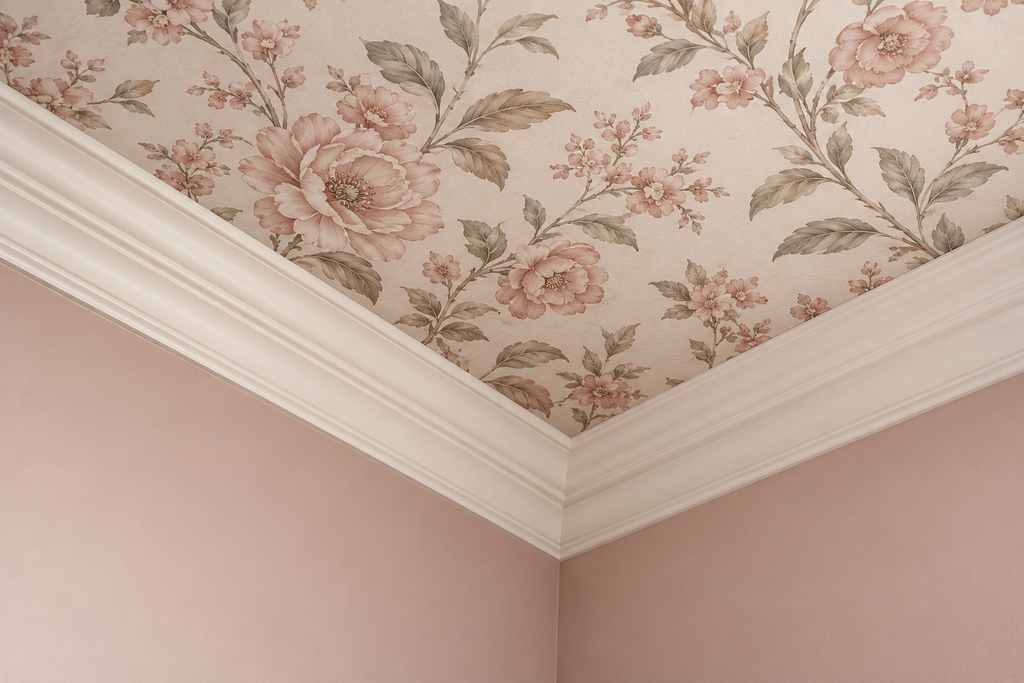
For an approachable starting point, combine a patterned ceiling with painted walls. Pull a background color or secondary shade from the wallpaper, then consider how it looks alongside the flooring and furnishings.
Crown molding can provide a defined border between the print and the walls. White or cream trim may suit a lighter palette, while trim painted to coordinate with the room can create a more enveloping effect.
If you want wallpaper on both the walls and ceiling, plan how the patterns will meet. Continuing one design across several surfaces can feel immersive, but directional motifs and matching at the junctions require particular care. Review the layout with your installer before committing to the look.
What to Know Before You Order
Confirm the Product Is Suitable for a Ceiling
Wallpaper types have different installation requirements. Do not assume that a product suitable for walls is automatically recommended for ceilings. Check the manufacturer’s guidance for the exact wallpaper and discuss the ceiling surface with your installer.
The same applies to peel and stick wallpaper. A self-adhesive backing does not automatically make a product appropriate for overhead use. Verify approved surfaces, preparation requirements, and any ceiling restrictions first.
Prepare the Surface Properly
The ceiling should be sound, clean, dry, and appropriately prepared for the selected wallpaper. Loose paint, leaks, and surface defects should be addressed before installation. A textured or popcorn ceiling needs an assessment rather than an assumption that wallpaper will conceal it.
For pasted wallcoverings, use the primer and adhesive specified for the wallpaper and surface. ROMAN Products notes that primer selection depends on both the wallcovering and the substrate, and recommends checking the wallpaper manufacturer’s hanging instructions. For self-adhesive products, follow their separate preparation guidance.
Plan the Layout and Quantity
Measure the ceiling’s length and width, then account for strip direction, roll dimensions, pattern repeat, match type, trimming, and installation waste. Dividing the ceiling area by a roll’s stated coverage is only a starting point; it does not establish how many usable, matched strips you will obtain.
Tray ceilings, beams, molding, and light fixtures can affect the layout. Have your installer confirm the quantity before placing the order, and request the same dye lot for the wallpaper used in one continuous area when applicable.
Consider Professional Installation
Hanging wallpaper overhead involves supporting the material while positioning strips, aligning the pattern, and finishing around fixtures. An experienced wallpaper installer can help assess the surface, plan seam placement, and manage difficult ceiling details. Include installation in your project budget early.
Start with a Sample and Look Up
Before choosing your wallpaper, view a sample alongside your wall color, trim, flooring, and fabrics. Assess it in the room’s natural and artificial light. A small sample can help with color and finish, while a larger pattern image is useful for understanding the full repeat and scale.
Whether you prefer a soft botanical, a tailored geometric, or a subtle texture effect, the fifth wall offers a fresh way to make a room feel personal. Begin with the atmosphere you want, choose a pattern that connects with the space, and give the installation planning as much attention as the design.
Explore wallpaper designs https://www.wallpaperwholesaler.com/ and contact our team with questions about a pattern or its specifications before you order.
Phone:1-888-305-8020
Email: Sales@WallpaperWholesaler.com