

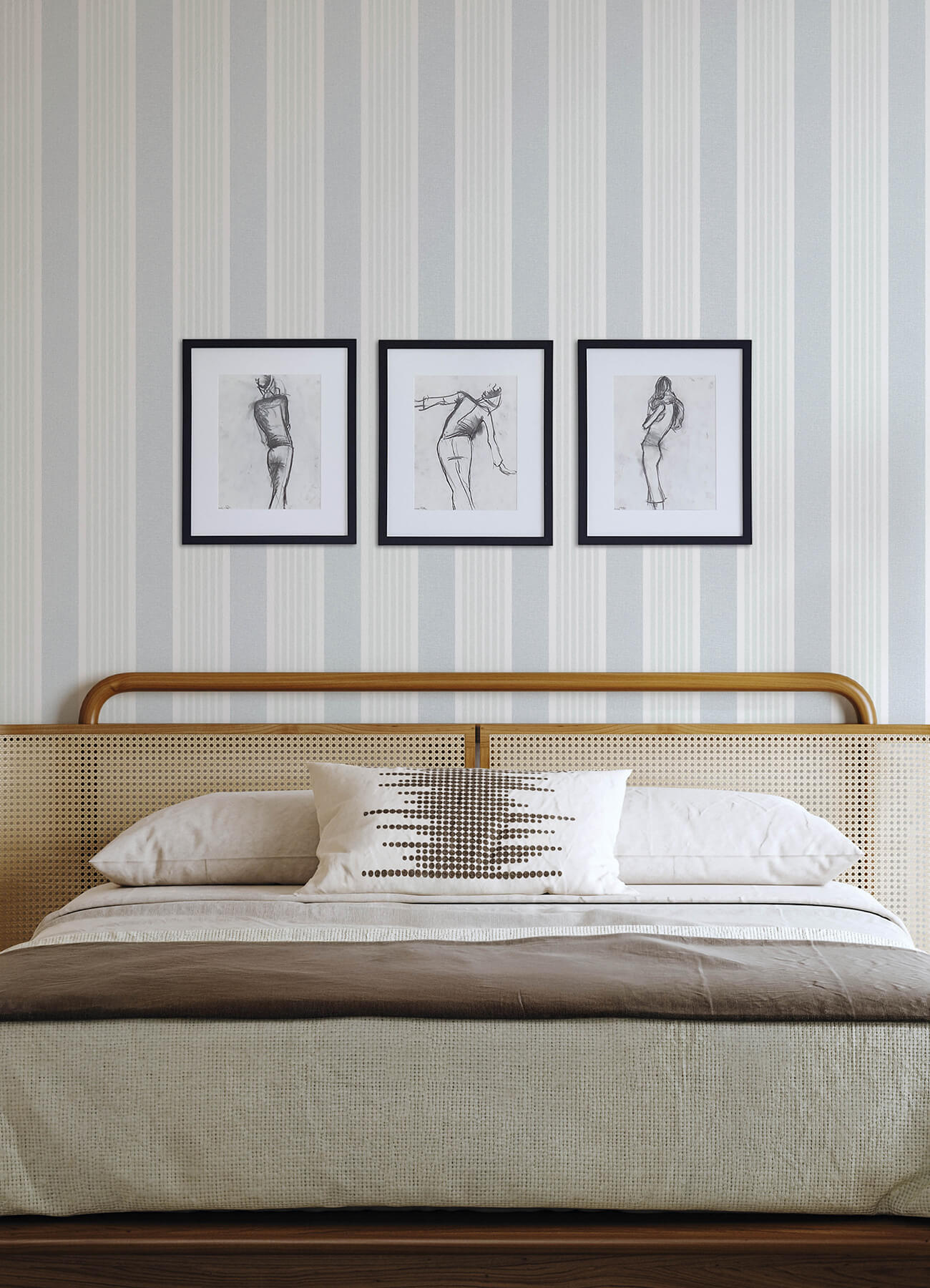
Residential Wallpaper vs. Commercial Wallcovering: What’s the Difference?
When people hear the words wallpaper and wallcovering, they often assume they mean the same thing. In everyday conversation, they sometimes do. But in the design, construction, and interiors world, residential wallpaper and commercial wallcovering are not interchangeable products. They are built for different environments, different performance demands, and often very different installation expectations.
For homeowners, designers, and facility managers alike, understanding the difference matters. Choosing the right wall product affects not only the final look of a space, but also how well it holds up to traffic, moisture, cleaning, maintenance, and long-term wear. In short, the best choice is not always about pattern alone. It is about matching the material to the way the space will actually be used.
What is Residential Wallpaper?
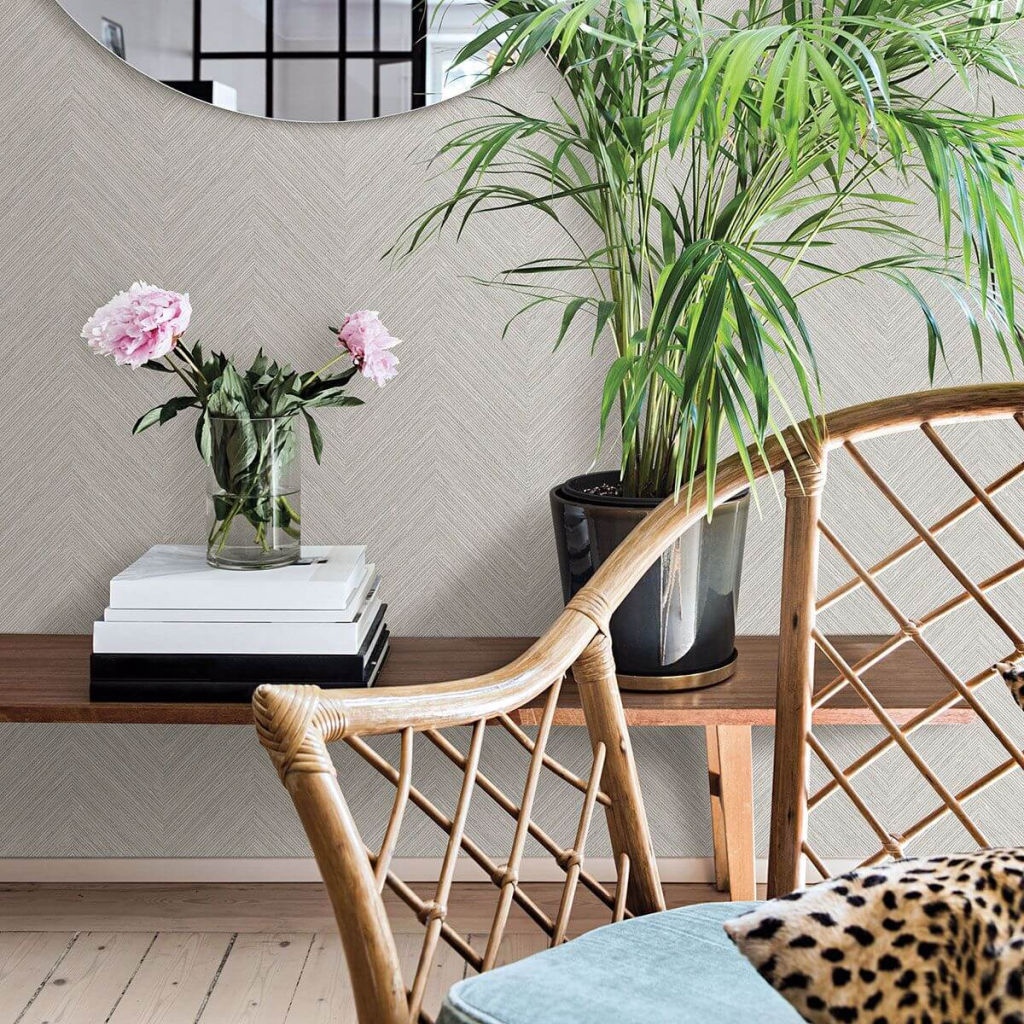
Residential wallpaper is primarily designed for homes and other lower-traffic interiors where decorative impact is the priority. It is available in a wide variety of finishes, including traditional paper, non-woven, prepasted, peel-and-stick, grasscloth, and specialty designer surfaces. Brands like York also emphasize ease of installation and removability in many residential lines, including products made on Sure Strip substrates that are designed to install and remove more easily than heavy-duty contract materials.
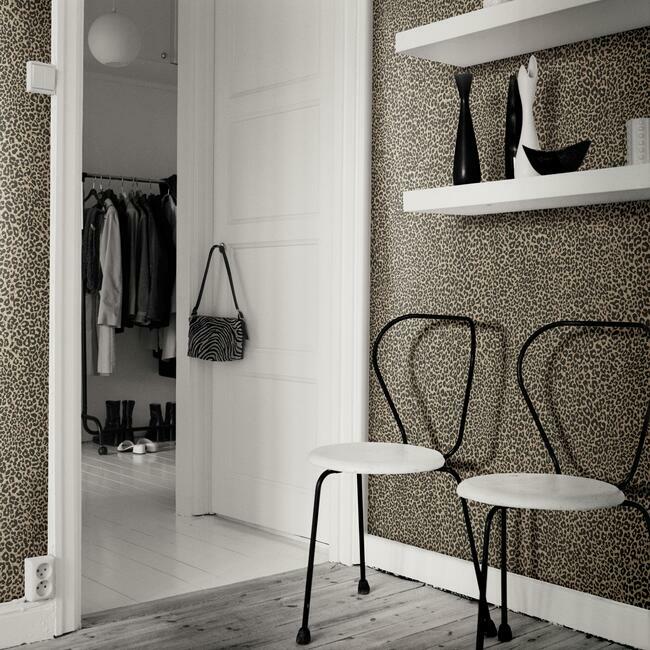
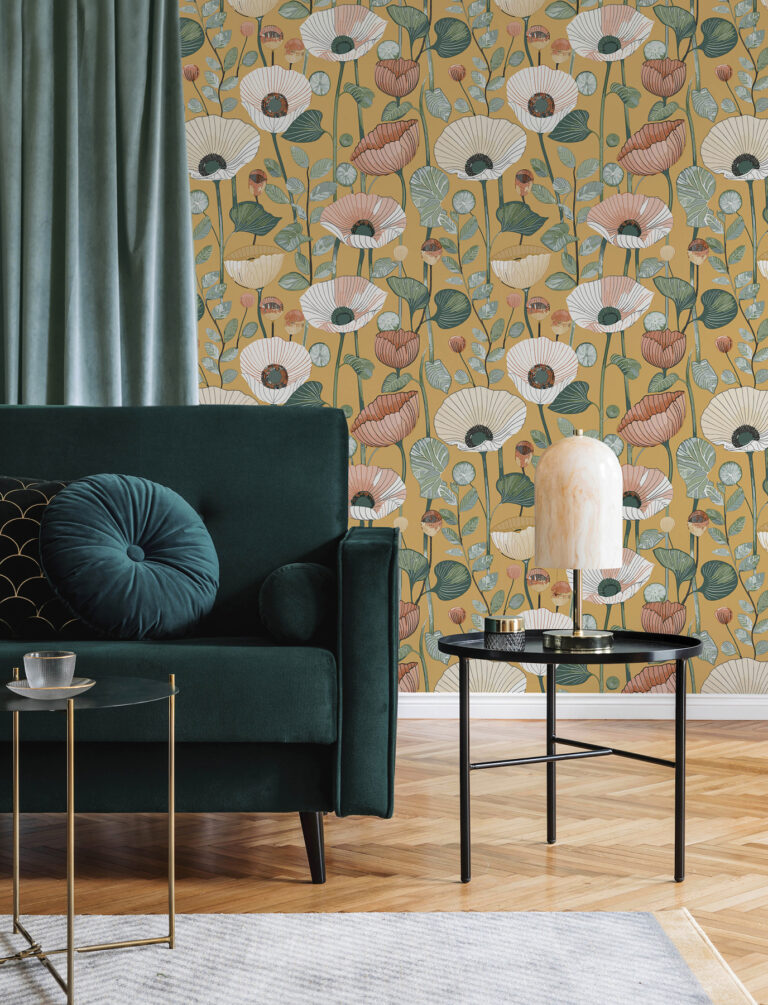
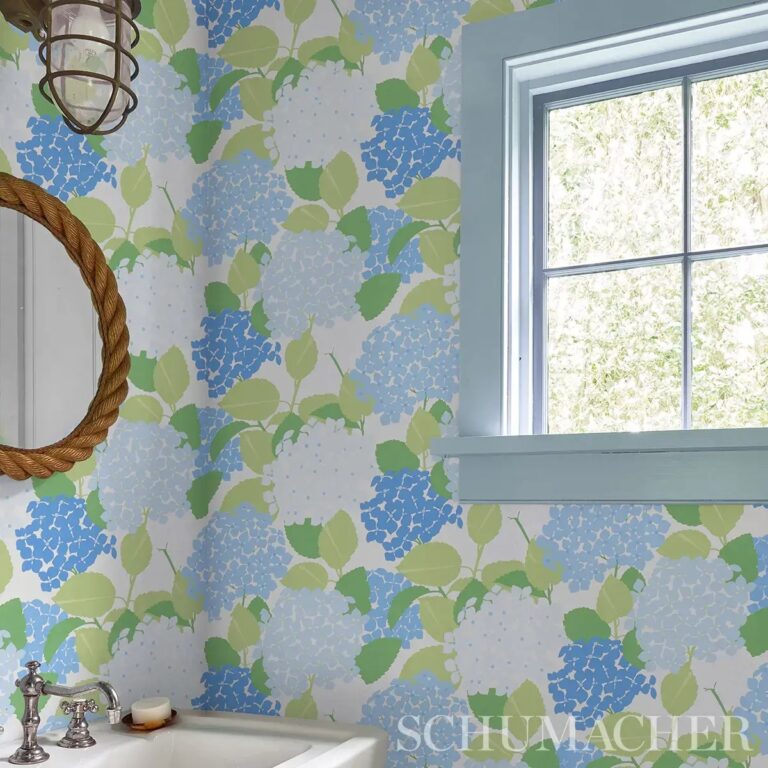
In residential settings, wallpaper is often chosen for bedrooms, dining rooms, living rooms, powder rooms, nurseries, entryways, and feature walls—spaces where style, softness, texture, and personality typically take precedence over heavy-duty performance. That is why residential collections often include delicate prints, artisanal textures, hand-crafted looks, murals, and natural materials that may require gentler care.
What is Commercial Wallcovering?
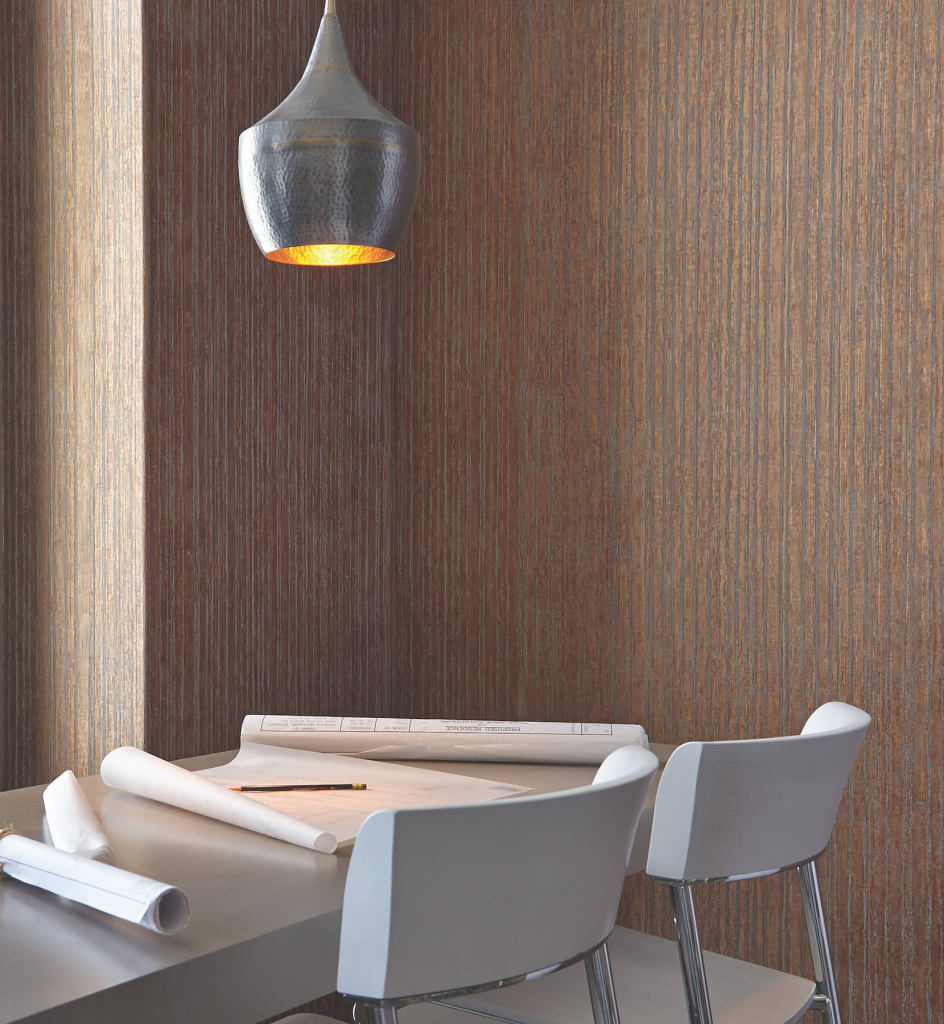
Commercial wallcovering—often called contract wallcovering—is engineered for public and high-use spaces such as offices, hotels, healthcare facilities, schools, retail stores, senior living communities, corridors, and multifamily common areas. The emphasis is not just on appearance, but on performance: durability, cleanability, abrasion resistance, code compliance, and long-term maintenance.
Many major commercial manufacturers describe their contract offerings around these exact needs. Wolf-Gordon notes that most of its vinyl wallcoverings are Type II and intended for average to heavy scuffing across hospitality, healthcare, office, retail, and education environments. Momentum describes Type II as the most widely used wallcovering class in commercial interiors because it balances aesthetics, durability, and low maintenance. Koroseal similarly positions commercial wallcovering and wall protection as products built to reduce maintenance and replacement costs over time.
The Biggest Difference: Performance
The clearest distinction between residential wallpaper and commercial wallcovering is performance.
Residential wallpaper is usually intended for spaces with normal day-to-day wear. It can absolutely be durable, especially in modern non-woven and high-performance residential constructions, but most residential products are not built for constant abrasion from luggage, carts, wheelchairs, backpacks, rolling furniture, or repetitive cleaning protocols. Commercial wallcovering is specifically designed with those challenges in mind.
That is why so many commercial products fall into Type II classifications. ASTM’s wallcovering classification framework exists to help match products to residential and commercial use conditions, and the Wallcoverings Association describes Type II as medium/heavy-duty material for high-traffic areas such as corridors and public spaces. Manufacturers across the commercial market—such as Wolf-Gordon, Momentum, MDC, Maharam, Innovations, and Phillip Jeffries’ contract lines—consistently position Type II products as durable, cleanable, and suitable for demanding interiors.
Material Construction and Weight
Another major difference is how the products are made.
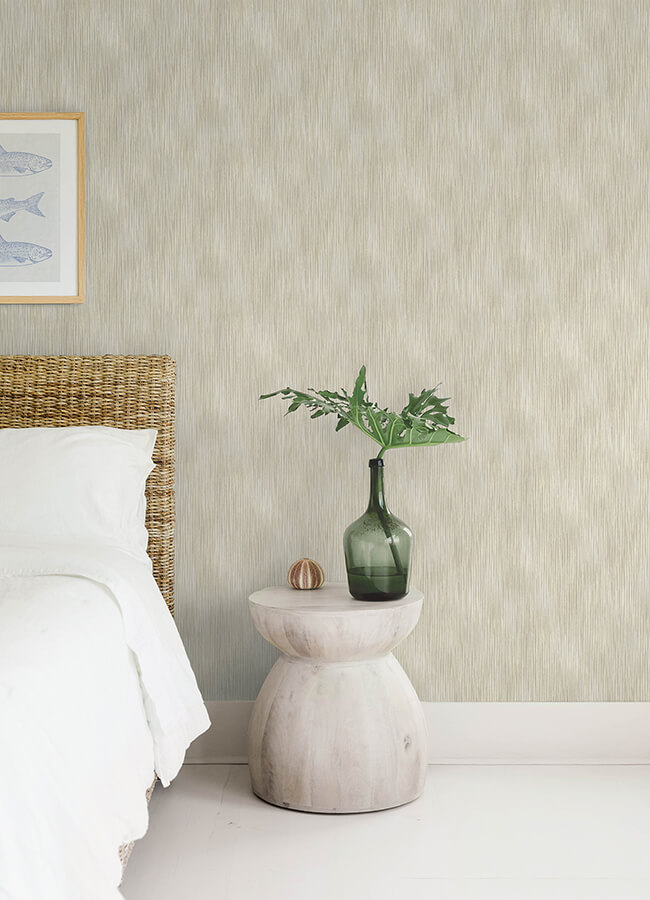
Residential wallpaper may be paper-based, non-woven, prepasted, peel-and-stick, grasscloth, or another decorative specialty construction. Many residential rolls are narrower and lighter, which helps make them more design-flexible and often easier to handle in home applications. York’s residential products, for example, commonly appear in approximately 27-inch widths, including Sure Strip offerings designed for simple installation and removal.
Commercial wallcovering is commonly wider—often around 52 to 54 inches—and many contract products are sold as Type II 20 oz. constructions. Manufacturer product pages from Wolf-Gordon, Koroseal, Maharam, Momentum/National Solutions, and Innovations all show commercial Type II specifications in that general range, including 52–54 inch widths and 20 oz. lineal-yard weights on many products. That broader format reduces seams across large walls and is practical for larger-scale installations.
Cleanability and Maintenance

Maintenance is one of the most important decision points.
In a home, wallpaper may only need occasional dusting or gentle spot cleaning, depending on the material. Some residential wallcoverings are removable and redecorating-friendly, which is a major benefit for homeowners who want flexibility down the road. York specifically notes that its Sure Strip products are designed to remove in full strips, making updates easier when tastes change.
Commercial environments are different. In healthcare, hospitality, education, and office spaces, walls may need to stand up to routine cleaning schedules and more aggressive maintenance standards. Momentum highlights bleach-cleanable Type II options and low-maintenance clean vinyl solutions, while Wolf-Gordon and Innovations emphasize durable, cleanable contract surfaces for everyday use. Koroseal also extends beyond decorative wallcovering into wall protection products intended to reduce maintenance and prolong wall life in demanding facilities.
Codes, Compliance, and Specifications
Commercial wallcovering usually carries more technical documentation because it is more likely to be specified for regulated or high-occupancy spaces.
Depending on the product and project type, specifiers often review fire ratings, environmental documentation, maintenance instructions, and performance data. For example, manufacturer product pages from Wolf-Gordon, Innovations, Koroseal, and MDC list technical attributes such as ASTM E84/Class A fire performance, low-VOC or environmental declarations, backing types, and durability indicators. These details are especially relevant for healthcare, hospitality, workplace, and education projects where performance documentation may be part of the specification process.
Residential wallpaper, by contrast, is usually sold with more consumer-friendly guidance focused on pattern, room use, installation method, washability, and removability. That does not make it lower quality—it simply reflects a different use case. Residential buyers are often choosing for comfort, beauty, and decorating flexibility, while commercial buyers are also choosing for compliance, maintenance, and lifecycle value.
Design Flexibility: Both Categories Can Be Beautiful
One common misconception is that residential wallpaper is the stylish option and commercial wallcovering is purely practical. That is no longer true.
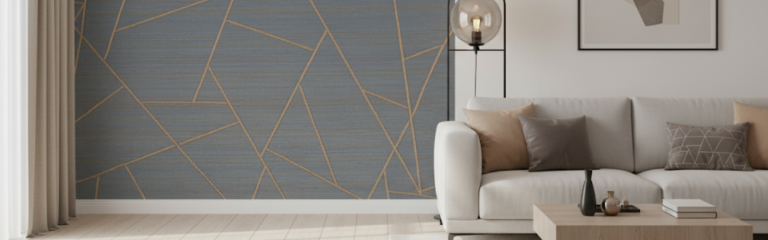
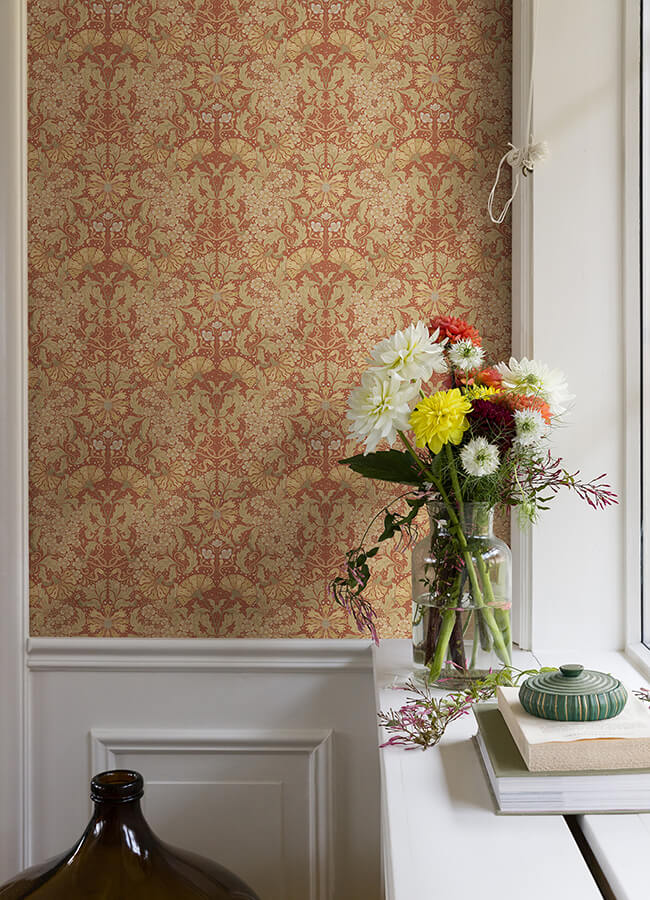
Today’s commercial market is filled with sophisticated textures, grasscloth looks, linen effects, woodgrains, metallics, acoustical surfaces, PVC-free options, and digitally printed custom designs. Innovations, Wolf-Gordon, Maharam, Momentum, and Phillip Jeffries all showcase contract products that blend elevated design with high-performance construction. In fact, many commercial products are intentionally developed to mimic the warmth and richness of natural or artisanal materials while offering better durability for public interiors.
At the same time, residential wallpaper still leads when the goal is softness, intimacy, decorative storytelling, or frequent style refreshes. Homeowners may be drawn to peel-and-stick convenience, easy-removal non-wovens, murals, or authentic natural materials that create a highly curated look in personal spaces.
Installation is Not Always the Same
Installation expectations can differ significantly between the two categories.
Residential wallpaper is often marketed with ease-of-use in mind. York’s installation resources, for example, include specific guidance for Sure Strip, prepasted, peel-and-stick, and traditional hanging methods, along with simplified removal instructions for future redecorating. That appeals strongly to homeowners and residential installers working in smaller-scale environments.
Commercial wallcovering installation is generally more technical and more dependent on substrate conditions, adhesives, seam planning, building use, and specification requirements. Wider goods, heavier materials, and performance backings all affect labor and planning. Some industry resources also note that commercial wallcoverings are commonly selected with lifecycle maintenance and replacement in mind, not just the initial install.
Cost: Think Beyond the Initial Price
At first glance, residential wallpaper may look like the more economical option, especially for small rooms or decorative feature walls. And in many homes, it is the right choice. But in commercial spaces, focusing only on initial material cost can be misleading.
A corridor, lobby, exam room, waiting area, or hotel hallway may demand frequent cleaning and face constant abrasion. In those environments, a true commercial wallcovering can deliver better long-term value because it is built to resist wear and reduce replacement cycles. Koroseal explicitly frames wall protection products around reducing maintenance and replacement costs, and that same lifecycle mindset often drives contract wallcovering decisions more broadly.
So Which One Should You Choose?
The best choice comes down to the space and the performance expectations.

Choose residential wallpaper when your top priorities are decorative variety, a softer or more artisanal finish, simpler removability, or styling a lower-traffic space in a home.
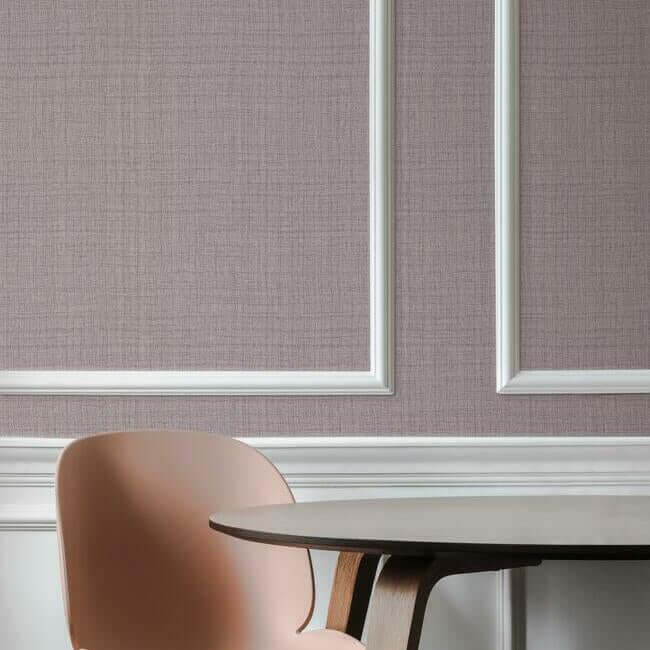
Choose commercial wallcovering when you need greater durability, easier routine maintenance, broader widths for larger walls, and specification-ready performance for a public or high-use interior.
The important takeaway is this: commercial wallcovering is not just “stronger wallpaper,” and residential wallpaper is not automatically the wrong choice unless the space truly demands contract-grade performance. Each category has its place. The smartest selection happens when design goals and real-world use are considered together.
Final Thoughts
For residential interiors, wallpaper can bring warmth, character, and creativity in ways paint simply cannot. For commercial interiors, wallcovering can do all of that while also serving as a hard-working surface material built for constant use. The difference is not whether one is better than the other—it is whether the product is appropriate for the environment.
If you are selecting wall finishes for a home, think about look, texture, removability, and room conditions. If you are sourcing for a business or public-facing space, think beyond pattern and ask the technical questions too: traffic level, cleanability, backing, width, fire rating, and long-term maintenance. That is where the right wallcovering choice really begins.
Find More Wallpaper Inspiration on Social Media
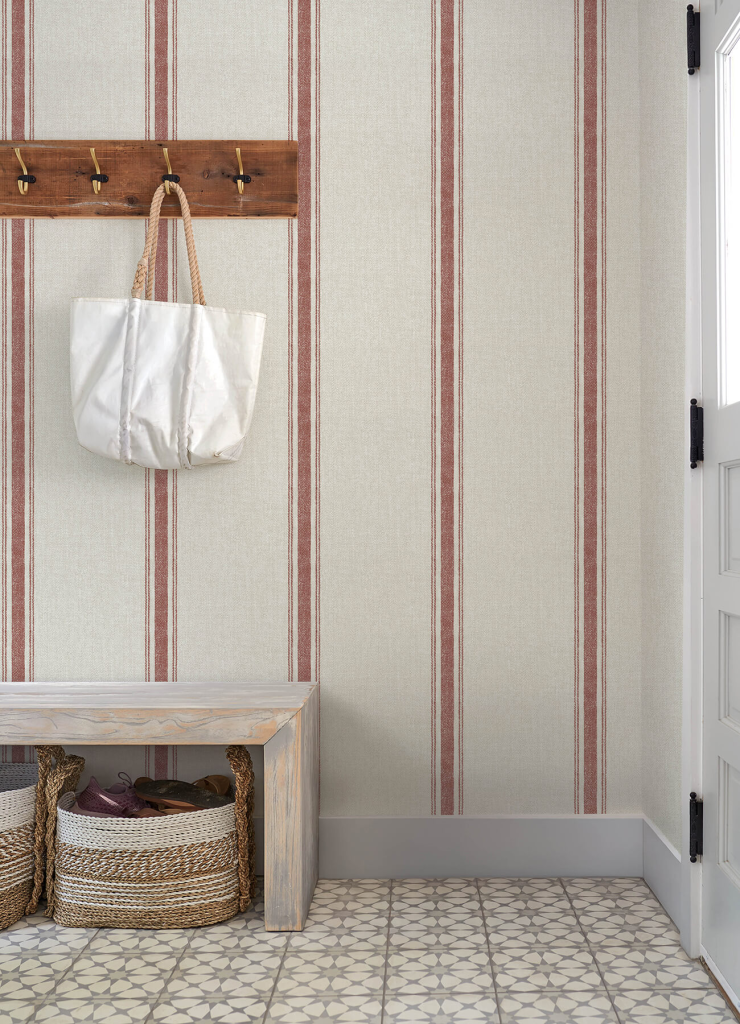
If you are still deciding between residential wallpaper and commercial wallcovering, social media can be a great place to gather ideas and see different styles in real spaces. From soft residential textures and statement patterns to more durable, design-forward wallcoverings, inspiration can help you better picture what works best for your project.
You can explore more at Wallpaper Wholesaler, or reach out directly for help with product selection, quotes, and design questions at (888) 305-8020 or sales@wallpaperwholesaler.com. Wallpaper Wholesaler lists this contact information on its website’s contact page and site footer, and the same phone/email also appear in its recent social posts.
Follow Wallpaper Wholesaler on social media for new arrivals, featured patterns, room inspiration, and design ideas:
Facebook: Wallpaper Wholesaler on Facebook
Instagram: @wallpaperwholesaler